


1-Yen Smartphones in Japan: What Happens After Two Years, How They Work, and Why People Warn Against Them (2026)


Why is it even possible to sell a smartphone for one yen - the deals Japanese buyers call "1-yen smartphones"? And what actually happens to the customer two years later? This article breaks down the mechanics behind the 1-yen smartphone, sets out the structural reasons people warn against them, covers where regulation stands in 2026, explains what really happens at the two-year mark when you return the handset or switch carriers, what the penalties are if you forget to return it, and what extra charges scratches or damage trigger - all in a form you can actually act on. We also spell out the specific cases where buying a used or refurbished handset outright makes more sense than a 1-yen deal.
How the 1-yen smartphone works: why a phone can be sold for one yen

Nobody is handing out phones at a loss. The 1-yen smartphone exists because two separate mechanisms are stacked on top of each other.
The first is a handset discount tied to a line contract. The price of the phone is cut on condition that you sign up as a new customer or port your number in (MNP). Even if the carrier or its retail agent makes nothing on the hardware, they recover it through your monthly service revenue and through sales commissions. These discounts are capped under Japan's Telecommunications Business Act (we cover the details in the regulation section below).
The second is a residual-value handset purchase programme built around returning the device. NTT Docomo's "Itsudemo Kaedoki Programme," au's "Smartphone Toku Suru Programme," and SoftBank's "Shin Toku Suru Support (+)" are the main examples. Each one subtracts an assumed trade-in value two years out (the residual value) from the handset price up front, and waives payment of that residual value if you return the handset after roughly two years. In other words, most "1 yen" figures are not the price of owning the phone; they are the effective outlay on a two-year borrow-and-return arrangement.
The critical distinction here is between "1 yen outright" and "1 yen effective."
-
1 yen outright: you buy the handset itself for one yen. It is yours, and there is no obligation to return it.
-
1 yen effective: instalment payments plus a return programme add up to a total outlay of one yen. This assumes you return the handset on schedule; if you don't, you pay the residual value.
Most of the "1 yen" you see in advertising is the second, "effective" kind. Before signing, always confirm which sense of "1 yen" applies and exactly what the return conditions are.
Why people say you should steer clear of 1-yen smartphones
Plenty of people search specifically for reasons to avoid these deals, and the negative opinions follow a consistent pattern. Set out as structural arguments rather than gut feeling, they come down to the following.
-
The handset never becomes yours: the "effective" version assumes you hand it back after two years. You are free neither to sell it for cash nor to keep using it long term.
-
The burden of tracking deadlines: miss the return window (usually somewhere around months 23 to 25) and the residual-value waiver disappears, the residual value gets re-spread into instalments or billed, and your total climbs.
-
Inspection risk: a cracked screen, scratches, or a fault means the device fails inspection, and the standard design is an extra charge of around 22,000 yen (a damaged-device usage fee or similar).
-
The bundled plan tends to be expensive: the discount is funded by your service charges. Paired with a large-data plan and paid options, the two-year total can exceed running a low-cost MVNO SIM.
-
"Effective" pricing is hard to parse: the waiver conditions, deadlines, and inspection criteria are fiddly, and nothing is as simple as the advertisement makes it look.
That said, for someone who understands these risks and is confident about tracking deadlines and treating the device carefully, it is a perfectly rational way to use the latest handset for very little. Whether to steer clear is not a blanket answer; it depends on whether you can handle the risk yourself. We set out the decision criteria below, in the section on who these deals suit.
Where regulation stands in 2026: how discount rules reshaped the 1-yen smartphone
The rules around 1-yen smartphones have been tightened in stages under the Telecommunications Business Act and its guidelines. Two developments are worth knowing.
-
The amended Telecommunications Business Act of October 2019: a cap was placed on handset discounts bundled with a line contract (20,000 yen before tax at the time), which regulated the so-called "effectively free" handset.
-
The guideline revision effective 27 December 2023: the discount cap was reorganised at, in principle, 44,000 yen including tax (with tiers according to handset price), and discounts on handsets sold without a line contract (the "SIM-free stock" discount) were brought into scope as well, curbing the flood of "1 yen outright" offers.
As a result, the scattergun "1 yen outright" offers on shop floors have thinned out dramatically, and what remains is predominantly the "effective" type, premised on a return programme. Effective outlays are noticeably higher than they used to be in many cases. This is not total extinction, though: low-outlay campaigns limited to particular models and particular periods still appear.
Note also that the fine detail of the discount rules may be revised again. At the point of signing, the reliable move is to check conditions against the Ministry of Internal Affairs and Communications' published material and each carrier's current pages. Rule changes are not automatically bad news. What matters is not being swayed by "effective" figures, and instead comparing on total cost against how you actually use a phone - your data usage, how often you replace handsets, and how much owning the device matters to you.
What happens two years on? The full picture of returns and switching

The vast majority of 1-yen smartphones are tied to the residual-value return programmes described above, designed so that returning the handset at around month 23 to 25 waives the final residual-value payment. The decision at the two-year mark therefore splits three ways.
(1) Return it on the stated terms and take the residual-value waiver
(2) Keep it, pay the residual value, and carry on using it
(3) Return it in step with switching carriers or replacing the handset, and move to another route (used, rental, and so on)
Because missing the return deadline can trigger re-spread instalments on the residual value and push up your total, managing the timing around month 23 is essential. Docomo in particular spells out the rules in writing - return by month 23 and the 24th payment (the residual value) is not required; miss the deadline and the residual value is re-spread into instalments - so the safe approach is to work backwards from your sign-up date and put the return deadline in your calendar.
Comparing the three major carriers' return programmes (deadlines, residual values, penalties)

All three programmes share the same backbone - return the handset, and the residual value is waived - but they differ on the window in which you can return, the return conditions, the inspection criteria, what happens if you miss the deadline, and the size of any extra charge. Docomo's "Itsudemo Kaedoki Programme," for instance, is a 24-instalment residual-value plan under which returning by month 23 removes the 24th payment (the residual value).
Miss the deadline and the number of payments extends, with the residual value re-spread into instalments. au's "Smartphone Toku Suru Programme" broadly assumes a return between months 13 and 25, and where the return conditions are not met, a payment of up to 22,000 yen may be required.
SoftBank's "Shin Toku Suru Support (+)" likewise requires an extra 22,000 yen (not subject to consumption tax) where the inspection conditions are not met, and requires collection and inspection to be completed by the end of the month following your application. Conditions at every carrier are updated frequently, so always check the current page for the programme you are enrolled in.
-
What to compare: rough return deadline / key return conditions / what happens if you miss the deadline / likely extra charge if the device fails inspection
-
Docomo: return by month 23 for the residual-value waiver / miss the deadline and the residual value is re-spread (more payments) / extra charges apply where conditions are not met
-
au: return between months 13 and 25 as standard / conditions unmet means up to 22,000 yen / you can keep using the handset even after cancelling the line
-
SoftBank: collection and inspection completed by the end of the month following application / conditions unmet means an extra 22,000 yen (tax-exempt) or similar
Forgot to return it, returned it late, or it's scratched: the real costs and what to do
The biggest traps in a return programme are the deadline and the condition of the device. If you cannot complete the return within the deadline, the residual value is not waived and may switch to re-spread instalments or a lump-sum bill, raising your total outlay above what you planned for. And where scratches, damage, or a malfunction mean the device fails inspection, the standard design is an additional charge (22,000 yen, for example).
SoftBank in particular sets an explicit deadline of collection and inspection completed by the end of the month following your application, and going past it puts the benefit at risk. Work backwards from your sign-up month, schedule the whole chain - return application, shipping, inspection completed - to land by month 23, and turn the reset, backup, and accessory check into a checklist. That alone eliminates most mistakes. Post the device back with time in hand so a shipping delay cannot derail you.
-
Working backwards: sign-up year + 2 years, sign-up month − 1 month gives you roughly month 23 (per Docomo's material). Example: signed up September 2024, so the return deadline is August 2026.
-
Main inspection points: cosmetic scratches, cracked screen, malfunction, failed water resistance, evidence of modification, missing accessories, and so on.
-
Deadlines and conditions vary widely by carrier and by model, so always confirm on the current page.
Switching carriers (MNP) at two years alongside a return programme: sequence and pitfalls
If you are combining a carrier switch (MNP) at the two-year mark with a return programme, pay attention to the order of the return deadline and the switching process. au's "Smartphone Toku Suru Programme," for example, has the flexibility to let you keep using the handset after cancelling the line, but claiming the benefit still requires clearing the inspection conditions and the collection deadline, so the chain of application, collection, inspection completed is what matters.
The other carriers set their own deadlines from application through collection and inspection, so the fastest and safest route is to schedule this in parallel with your MNP activation date and getting the new handset ready. A late return can forfeit your right to the residual-value waiver, so arrange the line work at the new carrier for dates that do not interfere with the practicalities of returning the device - shipping and inspection.
There is also a bigger question: whether you sign another "1 yen effective" deal at your new carrier, or buy a used handset outright and move the line alone to a cheaper plan. The two-year total differs enormously between them. Before you enter the loop of returning and re-contracting every two years, it is worth stopping once to compare the alternatives.
Return or keep? How to compare on total cost

The final call has to be made on total cost, not the monthly figure. In exchange for the residual-value waiver, the return route leaves you with no ownership, so it is rational if you intend to let the phone go after two years - but once you factor in keeping it longer or incidental costs such as repairs and penalty charges, buying used outright or renting can come out ahead. Here is a simple comparison template.
-
Return programme (carrier):
-
handset instalment (residual value deducted) x 23 + service charge x 23 − early-return benefit ± extra charges (damage, lateness)
-
Buying used outright (going rates for iPhone or Android):
-
used handset price + optional warranty fee + service charge (MVNO or similar) x n months − expected resale (trade-in) value
-
Rental:
-
monthly rental x n months (for short-term or business use) + optional damage cover
If your priority is the latest model on the assumption you hand it back, take the return route; if it is the lowest total cost plus ownership, buy used outright; if it is short-term or seasonal use, rent. The best answer changes with the use case. The iPhone in particular holds its resale value comparatively well, so the loop of two years of use, then selling it on tends to lower your total outlay, and the combination of a refurbished unit plus a warranty suits cautious buyers well.
Who 1-yen smartphones suit, and who they don't
Here is everything above, distilled into decision criteria.
They suit you if
-
You always want the newest model and expect to replace (return) it every two years
-
You are confident about tracking return deadlines and inspection conditions, and about treating the handset carefully
-
The bundled service plan already matches how much data you actually use
They don't suit you if
-
You want to own the handset as an asset - to sell it, keep it long term, or pass it down to family as you see fit
-
You are bad with deadlines, or you worry about drops and cracked screens (because the penalty risk never goes away)
-
You want to minimise your monthly bill with a low-cost SIM (the plans that the discount depends on inflate the total)
-
You want to run one handset into the ground over three years or more (once you pay the residual value, the cheapness largely evaporates)
When a used or refurbished handset beats a 1-yen deal
If you fall into the "doesn't suit you" list, buying a used or refurbished handset outright is the strong alternative. There is no return deadline and no inspection; the device is yours from day one. And because you are free to pick any low-cost SIM for the line, the two-year total frequently comes in below the return route. It makes particular sense for the following people.
-
Those who don't need a flagship every time: last-generation iPhones and Android handsets have plenty of performance for everyday tasks.
-
Those who value predictable spending: buying outright fixes the total at the moment of purchase, with no charges appearing later for a missed deadline or a failed inspection.
-
Those who value ownership: after two years you choose whether to sell it, keep using it, or demote it to a second phone. The iPhone's resale value is comparatively stable, so measured as purchase price minus resale price, the two-year outlay can be smaller than it first appears.
-
Those who don't want the handset tied to a line: buy the device on its own and keep using the line or low-cost SIM you already have.
The first mental hurdle with used and refurbished stock is simply whether it can really be trusted. Judge that on inspection standards, warranty, and returns policy. At PRODIG, every device goes through functional testing, cosmetic inspection, a battery health check, and cleaning, and is priced according to its condition grade, giving you a balance of value and quality.
The condition grades work roughly as follows: S (brand new, sealed), A (near-mint), B (ordinary scratches and small dents, works well), and C (visible scratches but fully functional). The price gaps often have little bearing on practical use, so if what you care about is the absence of cracked glass and faults, choosing B or C grade wisely is the cost-optimal move. To keep the handset price down, the standard play is a refurbished iPhone from the 12 to 14 generations or an SE model. For a second phone with a narrow purpose, even older generations remain perfectly usable.
If you are looking for the smarter alternative to a 1-yen deal, start by browsing the stock and the price bands.
-
If you want to spend less overall than a 1-yen handset you have to give back, used smartphones in the 10,000-20,000 yen range are the better value.
-
Used Android smartphones
https://prodig.co.jp/collections/android

A used handset also opens up more ways to use it - carrying two phones, tethering, a dedicated device for work apps - with the appeal of never being bound by return conditions or deadlines. Move the secondary line to a cheap SIM and you cut the fixed monthly cost too. Start with the bare minimum of accessories and buy only what you actually turn out to need; that is the way to avoid waste.
Once you have decided to leave the return programme and switch to used, the next question is where to buy. Our article on how to choose when buying a used smartphone in a physical shop covers the differences from buying online and what to check when you have the device in your hands.
Renting as an option: short-term, business, and event use
For short-term use of a few weeks to a few months, or spot demand such as business and events, renting removes both the up-front cost and the disposal problem by not buying at all. There is no concept of inspection conditions or residual value as there is with a return programme, and the strength is that you secure a handset for exactly as long as you need it.
It is cost-effective wherever handset demand spikes and then stops - spare devices, test units, business trips, trade shows, temporary returns to Japan - and works for corporate use as a way of holding neither inventory nor depreciation. It also suits cases where you need a current OS version and the right frequency bands guaranteed for a short period. For personal use, you can swap in your own SIM or simply run it over tethering. When the purpose and the period are both clear, renting beats buying.
Pre-return checklist: data, settings, accessories
Trouble at return time usually traces back to a missed factory reset or an accessory oversight. Turn the following into a checklist and work through it in one go. Accessory requirements differ by programme, so always confirm the current conditions (the standard design is an extra charge such as 22,000 yen where inspection conditions are not met).
-
Back up (iCloud/Google), then turn Find My off (on iPhone, clear Activation Lock), then factory reset
-
Remove the eSIM or physical SIM, and suspend the line if required
-
Clean the device and check the exterior (cracks, chips, lifting display, failed water resistance, and so on)
-
Check accessories (SIM pin, cable, box, and so on - only where they are required)
-
Handle the return itself (apply, receive the kit, and keep collection and inspection completed by the end of the month following application in mind)
Still undecided? Start here: the final decision flow
Here is a quick way to reach a decision. If you are a two-year returner, base yourself on the return programme but treat the deadline as absolute, and be rigorous about damage and accessories. If ownership matters more, buy used outright and sell it on after two years to minimise the total. If your use is short-term or seasonal, rent.
In every case, reviewing how you actually use the phone (heavy or light) together with your service costs (large or small data) will cut wasted spending. Note that the return route always carries two risks, the deadline and the inspection, so if you are not confident about scheduling and about handling the device carefully, leaning towards buying used or renting is the safer play. Carrier terms change often, so treat this article (based on information published as of 2026) as a guide, and re-check each company's current information immediately before you sign or return.
Frequently asked questions
Q. Is it true you should just avoid 1-yen smartphones?
A. Not as a blanket rule. If you are confident about deadlines and about handling the device, and you want the newest model every two years, they are a rational choice. But if you want to own the handset, are bad with deadlines, or want to minimise your service costs, buying used outright tends to work out cheaper in total.
Q. Why can they be sold for one yen? What's the trick?
A. It is a combination of a handset discount tied to a line contract and a residual-value return programme. "1 yen effective" is the outlay on the assumption you return the device after about two years; it is not the price of owning it.
Q. By when do I have to return it?
A. It depends on the programme and your sign-up month. In Docomo's example, "sign-up year + 2 years, sign-up month − 1 month" gives you roughly month 23, and returning by month 23 is the general condition for the residual-value waiver. Check each carrier's pages for the specific dates and the deadlines from application through collection and inspection.
Q. What if I forget or return it late?
A. Past the deadline you lose the residual-value waiver, and it may switch to re-spread instalments or a lump-sum bill. Watch the deadlines from application through to completed collection and inspection.
Q. What if it's scratched or damaged?
A. Where it fails to meet the inspection criteria, the standard design is an extra charge such as 22,000 yen (not subject to consumption tax).
Q. Can I still use it if I cancel the line or switch carriers?
A. au's programme, for example, allows continued use after cancellation. Claiming the benefit, however, still requires meeting the inspection conditions and the deadlines.
Q. After the regulations, are 1-yen smartphones gone?
A. Not entirely, but the reorganised discount caps and the rules on standalone-handset discounts have thinned out "1 yen outright" offers, while higher effective outlays and stricter conditions make it harder to judge whether a deal is genuinely good. Judge on total cost, not the "effective" figure.
In closing
A 1-yen smartphone can be a rational choice for someone who wants to hand the device back after two years and always be on something new. It presupposes, though, that you can handle the risks yourself: deadlines, inspection, and extra charges. If you are aiming at ownership and the lowest total cost, the loop of buying used or refurbished outright and selling it on is the solid play, while short-term or business use points to renting. Weigh it against how you actually use a phone and what you are willing to spend, and include the options that require no deadline management in your comparison. Acting on the points in this article alone will, with high probability, spare you the costs of a botched return - a missed deadline or a failed inspection. As your next step, pin down what the handset is for and for how long, then start with working the return schedule backwards and costing out the alternatives.
-
iPhone 中古在庫¥7,800〜在庫 48点 LIVE▶ iPhone の在庫一覧を見る
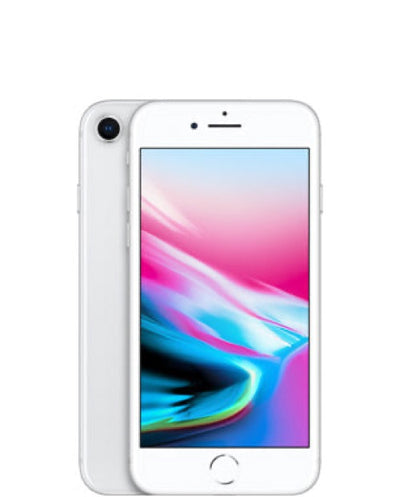
 中古在庫 40点iPhone 8 64GB Silver C-Rank¥7,800(税込)
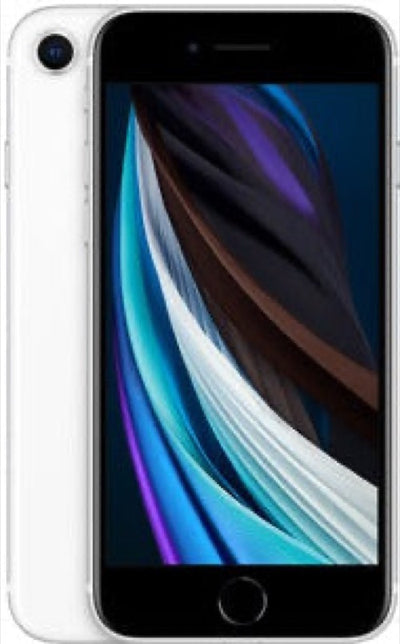
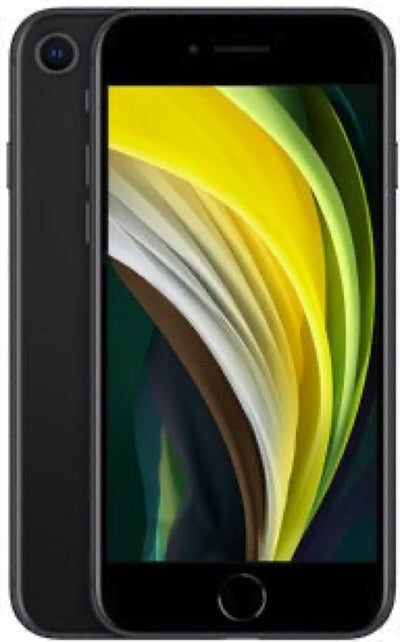
 中古在庫 19点iPhone SE (2nd Generation) 64GB White B-rank¥15,300(税込)
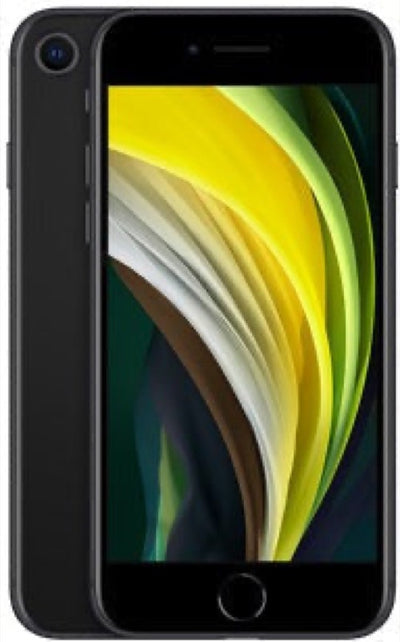
 中古在庫 204点iPhone SE (2nd Generation) 64GB Black A Rank¥16,300(税込)
 中古在庫 15点iPhone SE (2nd Gen) 128GB White A Rank¥18,300(税込)
 Bランク在庫 1点iPhone XR 64GB ホワイト Bランク SIMフリー|中古・整備済み品¥20,300(税込)
 中古在庫 3点iPhone SE (2nd Gen) 256GB Black A Rank¥20,800(税込)
 -
Sale Items 中古在庫¥7,300〜在庫 8点 LIVE▶ Sale Items の在庫一覧を見る
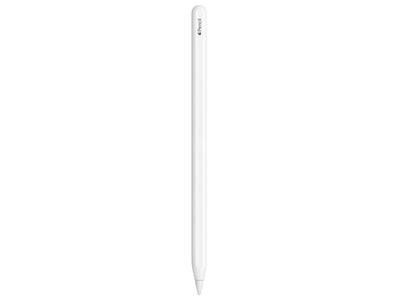 中古在庫 1点Apple Pencil (2nd Gen) B-Rank¥7,300(税込)中古在庫 365点Apple Pencil (2nd Gen) A Rank¥7,800(税込)
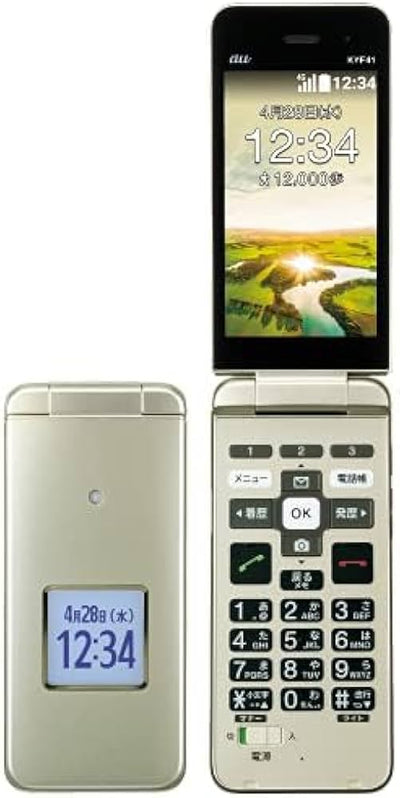 Bランク在庫 1点かんたんケータイ KYF38 8GB シャンパンゴールド Bランク au版SIMフリー|中古・整備済み品¥8,300(税込)
![[Network Usage Restriction ▲] Torque G04 64GB Black [au SIM-Free] Rank B](//prodig.co.jp/cdn/shop/files/TorqueG0464GB.webp?v=1777019706&width=400) 中古在庫 2点[Network Usage Restriction ▲] Torque G04 64GB Black [au SIM-Free] Rank B¥9,380(税込)
中古在庫 2点[Network Usage Restriction ▲] Torque G04 64GB Black [au SIM-Free] Rank B¥9,380(税込)![[Network Restriction ▲] Xiaomi 13T 256GB Black [au SIM-Free] Grade B](//prodig.co.jp/cdn/shop/files/Xiaomi13T256GB.webp?v=1777019659&width=400) 中古在庫 2点[Network Restriction ▲] Xiaomi 13T 256GB Black [au SIM-Free] Grade B¥26,800(税込)
中古在庫 2点[Network Restriction ▲] Xiaomi 13T 256GB Black [au SIM-Free] Grade B¥26,800(税込)![[Network Restriction ▲] OPPO Reno13 A 128GB Luminous Navy [au SIM-Free] Grade B](//prodig.co.jp/cdn/shop/files/OPPOReno13A128GB.webp?v=1777019889&width=400) 中古在庫 2点[Network Restriction ▲] OPPO Reno13 A 128GB Luminous Navy [au SIM-Free] Grade B¥28,800(税込)
中古在庫 2点[Network Restriction ▲] OPPO Reno13 A 128GB Luminous Navy [au SIM-Free] Grade B¥28,800(税込) -
iPhone 13 series stock
https://prodig.co.jp/collections/android -
Junk and as-is units (for narrow-purpose test devices and parts)
https://prodig.co.jp/collections/junk -
Handset rental (short-term, events, business use)
https://rental.prodig.co.jp/ -
Corporate enquiries (bulk procurement and kitting)
https://prodig.co.jp/pages/b2b-reception
![[Network Usage Restriction ▲] Torque G04 64GB Black [au SIM-Free] Rank B](http://prodig.co.jp/cdn/shop/files/TorqueG0464GB.webp?v=1777019706&width=400)
![[Network Restriction ▲] Xiaomi 13T 256GB Black [au SIM-Free] Grade B](http://prodig.co.jp/cdn/shop/files/Xiaomi13T256GB.webp?v=1777019659&width=400)
![[Network Restriction ▲] OPPO Reno13 A 128GB Luminous Navy [au SIM-Free] Grade B](http://prodig.co.jp/cdn/shop/files/OPPOReno13A128GB.webp?v=1777019889&width=400)
Related reading
Sources
-
Docomo "Itsudemo Kaedoki Programme": return for a residual-value waiver; miss the deadline and the residual value is re-spread (includes material on how month 23 is calculated). Docomo
-
au "Smartphone Toku Suru Programme": return between months 13 and 25; up to 22,000 yen where conditions are not met. au
-
SoftBank "Shin Toku Suru Support (+)": collection and inspection by the end of the month following application; 22,000 yen where conditions are not met. SoftBank
-
Ministry of Internal Affairs and Communications: caps on handset discounts under the Telecommunications Business Act (the revision effective 27 December 2023 sets 44,000 yen including tax in principle and brings standalone-handset discounts into scope). For details, see the ministry's published material on fair competition in the mobile market.
-
 iPhone 13 Proは中古で買うべき?2026年の価格・スペック・注意点を徹底解説
-
 iPhoneを本体だけ購入する方法|型落ち、どこで安く買えるか、1円スマホ
-
 The iPhone 13 256GB is a wise choice! Here's a detailed explanation of why a Grade A used model is a great deal at PRODIG.
-
 iPhone15とiPhone16の違いを最速で把握:結論・比較表・用途別の最適解
-
 iPhoneの薄さを徹底比較|最薄モデルはどれ?現行・歴代の厚さランキング
-
 iPhone Airは買いか?薄さ5.6mm・165gの新スタンダードを徹底解説|違い・メリット/デメリット・中古や代替の最適解まで


Other Services


新着記事


人気記事


