


Best Compact Smartphones in 2026: 7 Top Picks and How to Buy Used Wisely


Last updated: July 2026
Table of Contents
- Why compact smartphones are being chosen right now: 3 benefits
- [iPhone] Compact models worth buying used
- [Android] Small models that are easy to use even with smaller hands
- Frequently asked questions
- Summary
In recent years the smartphone market has moved steadily toward bigger screens, driven by the desire for a more immersive experience when watching video or playing games. At the same time, plenty of people are frustrated by phones that are "hard to operate one-handed" or "heavy and bulky in a pocket."
Compact models are becoming rarer on the new-device market, but if you turn to the used market you will find plenty of classics still in circulation, starting with the iPhone mini series.
Even if you are hesitating because you worry that "used devices are unreliable" or "the battery probably won't last," once you know what to look for you can get your ideal device at a surprisingly good price. In this article we introduce compact models hand-picked by smartphone specialists, and give a thorough explanation of how to choose a used smartphone without regrets.
See our used compact iPhone (mini series) stock right now
Because no new compact iPhones are being released, your options are mainly used devices. Take a quick look at current stock and prices first, and the comparisons in this article will make much more concrete sense.
Why compact smartphones are being chosen right now: 3 benefits

Today's smartphones are 6.1 inches or larger as standard, and models above 6.7 inches are hardly unusual. But not every user actually wants a big screen.
For people who want to operate their phone quickly with one hand while commuting or in the middle of a task, a compact smartphone has an appeal nothing else can replace. Here we look closely at three specific reasons to deliberately choose a small device today.
The single biggest benefit is outstanding usability. The feeling of reaching every corner of the screen with one thumb is something a large phone simply cannot deliver. You never have to shift your grip to pull down the notification center or type on the keyboard, and the risk of dropping the phone falls dramatically.
Light weight matters just as much. Your wrist stays comfortable through long calls or extended social media sessions, which also helps prevent the modern complaints of "texting thumb" (finger deformity) and tendonitis.
3 benefits of a compact smartphone
- Outstanding usability: Your thumb reaches the far edge of the screen. Everything is done one-handed, and drops become far less likely.
- Excellent portability: At roughly 130-150 g, it slips easily into a pocket or a small bag.
- Great value used: Previous-generation high-spec models can be had for less than half the price of a new phone.
| Comparison point | Large smartphone | Compact smartphone |
|---|---|---|
| One-handed use | Fair - hard to reach the edges | Excellent - reaches every edge |
| Typical weight | Often over 200 g | Excellent - 130 to 150 g |
| Width | Around 75 mm | Excellent - 64 to 70 mm |
| Used price | Stays high | Excellent - under half price is realistic |
Excellent portability
The second benefit is portability. When you wear the slim-cut trousers that are currently in fashion, or carry a small bag, a big phone gets in the way.
A compact phone fits in the front pocket of your jeans without digging in when you sit down, and sits in a shirt pocket without ruining the line of the fabric. This kind of mobility that never announces itself has won enormous support from minimalists and anyone trying to carry less.
The third benefit is unbeatable value on the used market. Because the new-device lineup of compact phones keeps shrinking, deliberately targeting a used model from one to three generations back is the smartest move. The iPhone mini series in particular can often be bought used for less than half the price of the latest large model, freeing up budget for accessories and peripherals.
Comfortable one-handed operation: your finger reaches the edge of the screen
One of the defining criteria for a compact smartphone is a width of 70 mm or less. Given the structure of the human hand, the narrower the body, the more secure the grip and the wider the range your thumb can cover.
The iPhone mini series, for example, carries a 5.4-inch display in a body just about 64.2 mm wide. That means you can complete every operation without stress even while holding a strap on a crowded train or carrying luggage.
With a large phone, have you ever stretched your finger to tap an icon at the top of the screen, lost your balance and dropped it on the ground? With a compact model, those heart-stopping moments become dramatically rarer. Typing speed improves too.
Because the physical distance your fingers travel is shorter, you can type faster and more accurately. It may not amount to a digital detox, but cutting out the needless stress of operating your phone translates directly into a better day-to-day quality of life.
Portability that fits into a pocket or a small bag
As phones have grown, they have started to interfere with how we dress. In summer, when clothing is light, a big phone in your pocket drags your trousers down with every step and creates an awkward bulge.
Compact phones solve this elegantly. On weight too, while typical large phones exceed 200 g, most compact models land somewhere between 130 g and 160 g, light enough that you forget you are carrying one.
This size also matters if you are considering carrying two devices. If your main phone has a large screen, deliberately choosing a compact second device for calls, payments and music lets you keep total weight down while maximizing convenience.
In business settings it slips into an inside jacket pocket without spoiling the line of your suit, so you keep a sharp impression. In that sense a compact smartphone is not merely a device but a tool that makes daily life lighter.
Great value: high-spec devices at a low price when bought used
The idea that "small phones are underpowered" belongs to a previous era. Recent compact models often carry the flagship-class chip of their generation, so even a device from a few years ago delivers far more performance than daily use demands.
The iPhone 13 mini, for instance, runs the A15 Bionic chip and handles the latest apps and games smoothly. On the used market you can find well-kept examples at genuinely reasonable prices.
The thing people worry about most when buying a used phone is how long it will last, but high-quality devices such as Apple products enjoy long OS support periods, so a used purchase can stay in active service for several years.
At a trustworthy shop such as PRODIG, only devices that have passed strict inspection are put on sale, which minimizes the risk of ending up with the kind of lemon that used devices are known for.
For anyone hesitating to spend over 100,000 yen on a new phone, a high-spec used compact smartphone at around 50,000 yen is likely to be the most satisfying option available.
[iPhone] Compact models worth buying used

When you search the iPhone lineup with "compact" as your keyword, two broad families emerge. One is the mini series, with slim bezels and an edge-to-edge display; the other is the SE series, which inherits the traditional home button.
They are similar in size, but they differ in handling, display sharpness and camera performance. All of these models circulate steadily on the used market, so you can choose according to your budget and preferences.
Many of them are no longer sold on Apple's official site, so used retailers are now the main way to get one. That is by no means a bad thing.
Below we have gathered the compact iPhone models worth targeting right now, all of them popular at PRODIG.
| Model | Screen size | Width | Weight | Highlights |
|---|---|---|---|---|
| iPhone 13 mini | 5.4 inches | 64.2mm | 141g | The mini series perfected. Improved battery life. |
| iPhone 12 mini | 5.4 inches | 64.2mm | 133g | 5G support. Lightest in the series and remarkably cheap. |
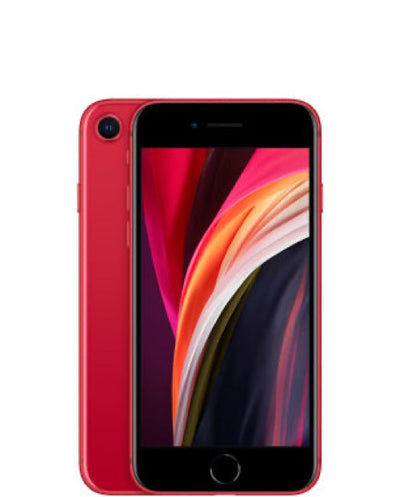
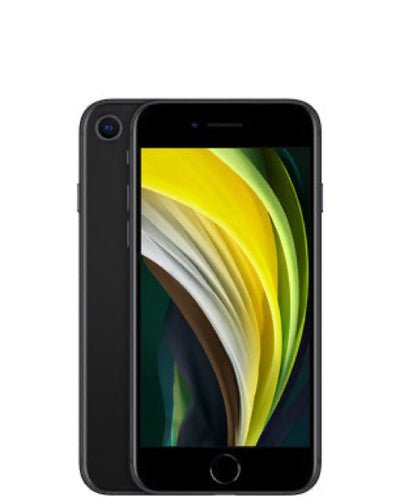
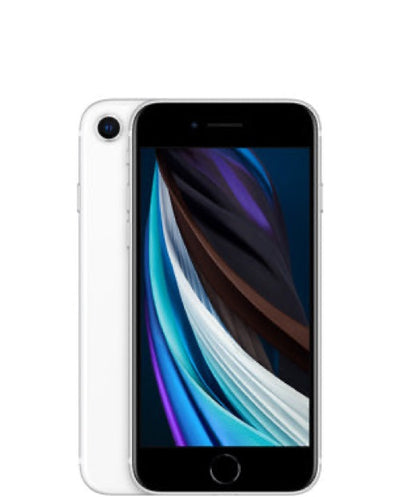
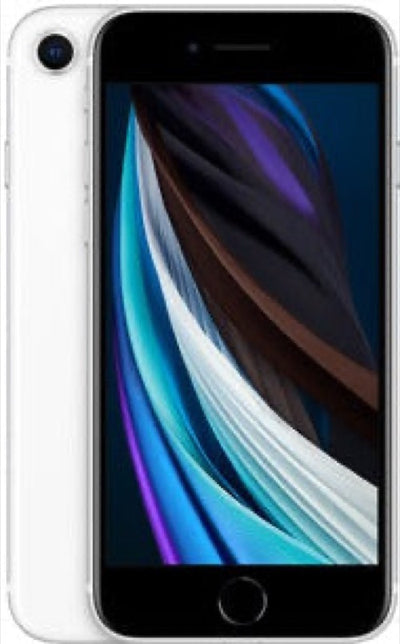
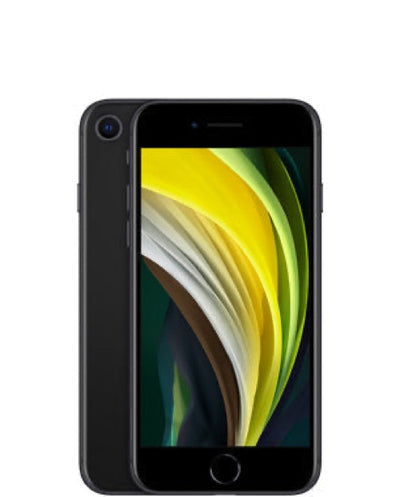
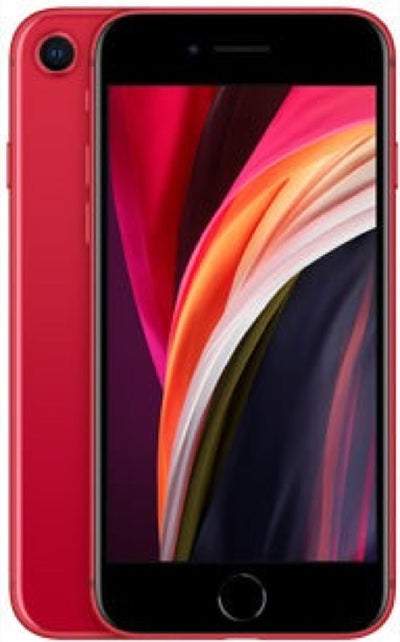
| iPhone SE (3rd generation) | 4.7 inches | 67.3mm | 144g | Home button plus A15. For fingerprint-unlock fans. |
| iPhone SE (2nd generation) | 4.7 inches | 67.3mm | 148g | The cheapest compact at 10,000-20,000 yen. Ideal as a second device. |
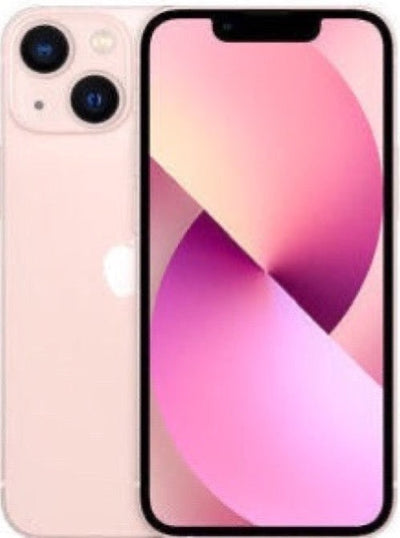
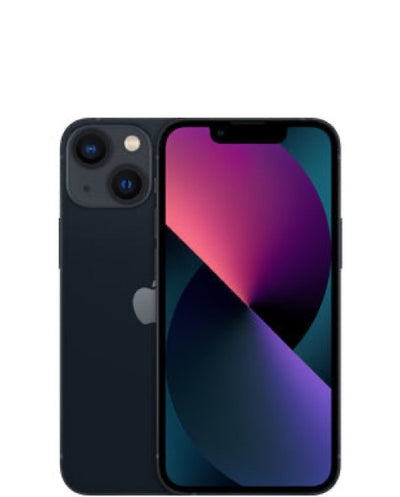
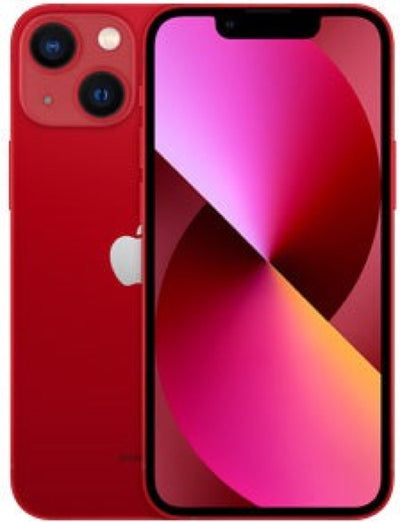
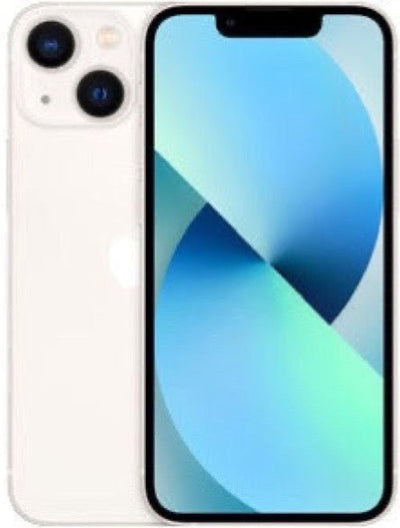
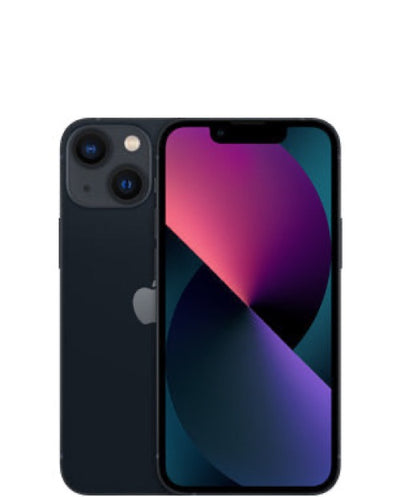
1. iPhone 13 mini - the smallest and strongest model, and the last of its line
For many users the iPhone 13 mini is the definitive "ideal compact smartphone." The weak battery life that people criticized in the previous 12 mini was substantially improved, giving it the stamina to get through a full day. Its A15 Bionic chip belongs to the same generation as the standard iPhone 14, so even in 2026 it handles every task with ease.
On camera performance, the diagonally arranged dual-camera unit is its signature feature, and it uses sensor-shift optical image stabilization. That means clean, low-blur results even in night scenes and video. The body is as small as it gets, yet the internals are close to professional grade. That gap is exactly what makes the 13 mini so appealing. It remains extremely popular on the used market and tends to hold its value, but if you are looking for one device to keep for years, it offers the best return on your money.
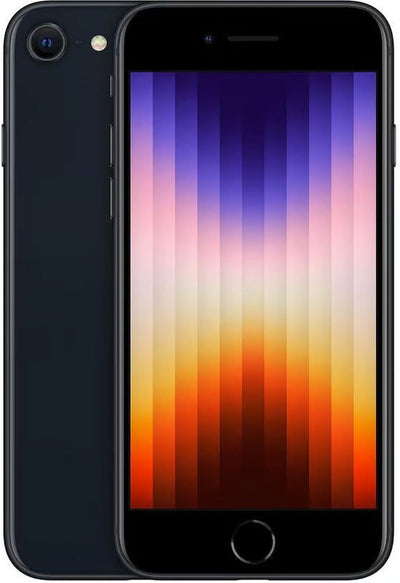
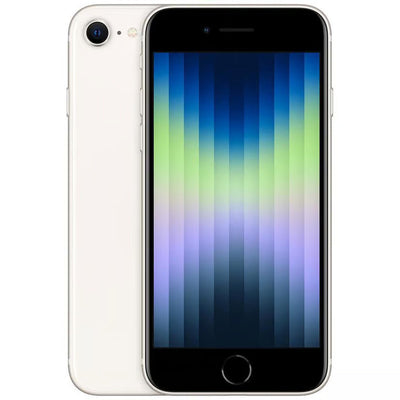
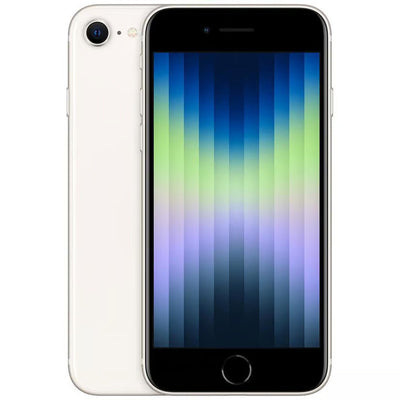
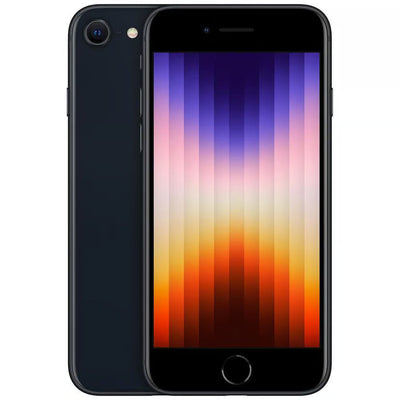
2. iPhone SE (3rd generation) - the value pick for home button loyalists
The iPhone SE (3rd generation) is the only model with current-generation performance that still offers Touch ID fingerprint unlocking, something people came to appreciate again during years of mask wearing. The design follows the classic iPhone 8, but at its core sits the same A15 chip as the iPhone 13 series. Retro on the outside, current on the inside: a wolf in sheep's clothing.
The 4.7-inch screen feels very small by today's standards, but the bezels above and below give you somewhere to rest your fingers when holding it in landscape, which is an unexpected advantage for gaming. Above all, supply on the used market is plentiful and prices are very stable. Well-kept examples can be found from around 30,000 yen, making it hard to beat as a first used smartphone or as a work second device.
3. iPhone SE (2nd generation) - the cheapest compact at 10,000 to 20,000 yen
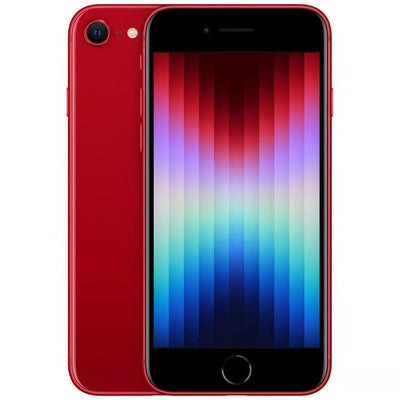
The iPhone SE (2nd generation) pairs a 4.7-inch screen and the A13 Bionic chip, and can be bought used from around 10,000 to 20,000 yen, making it the best-value compact of all. It has a home button with Touch ID, so operation is exactly like a traditional iPhone. It is hugely popular as a second device, as a first used smartphone, or as a phone for children. It is not suited to the latest demanding games, but for everyday use such as calls, social media and cashless payments it is perfectly comfortable. If your priority is simply a small iPhone at the lowest possible price, this is your first choice.
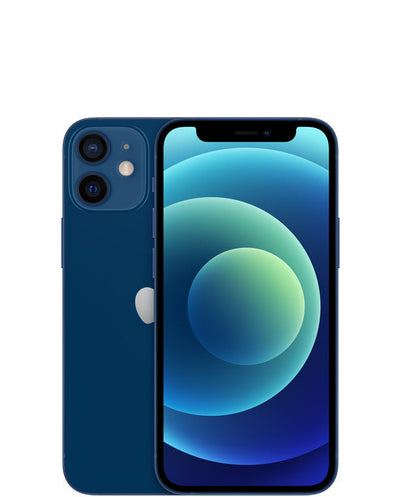
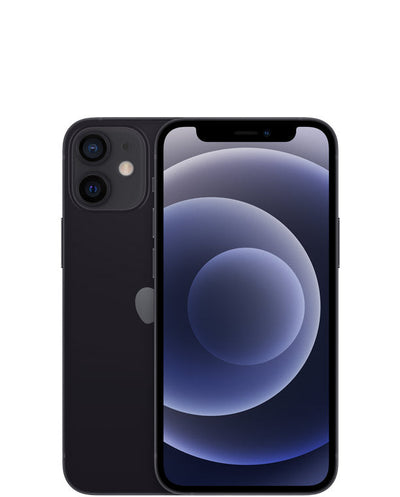
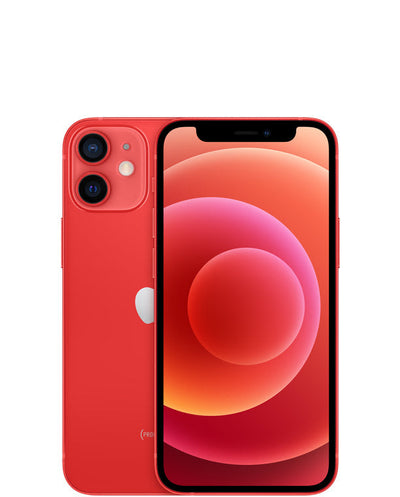
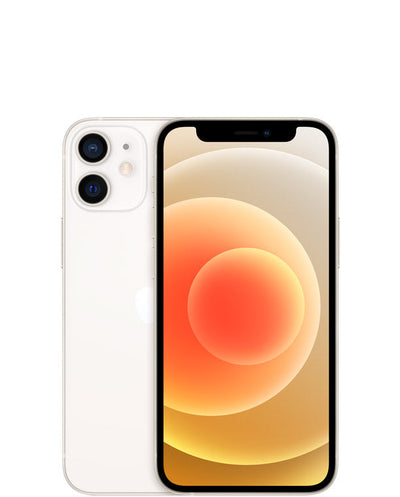
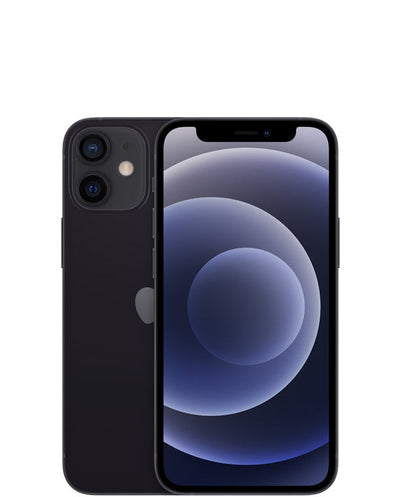
4. iPhone 12 mini - for anyone who wants 5G while keeping the budget down
The iPhone 12 mini was the landmark model where Apple first used the "mini" name. Battery capacity is slightly lower than the 13 mini, but in exchange the body is astonishingly light at just 133 g. That is dozens of grams lighter than almost every current phone, light enough that you notice the moment you pick it up.
It supports 5G, so you are not left behind on connectivity. It also works with MagSafe charging, letting you take advantage of accessories that snap magnetically onto the back. On the used market it typically trades 10,000 to 20,000 yen below the 13 mini, so for budget-focused buyers who simply want the smallest, lightest iPhone available, now is arguably the best time to buy.

[Android] Small models that are easy to use even with smaller hands

The Android world offers an even wider variety of compact models than the iPhone lineup. Android makers once headed relentlessly toward larger devices, but in recent years, responding to demand in the Japanese market, narrow-bodied models built around comfortable handling have returned to the spotlight.
Google's own Pixel series, along with Xperia and AQUOS, brands that showcase Japanese engineering, each pursue compactness in their own way.
The advantages of choosing Android are practical: you can often use fingerprint and face unlock together, some models support storage expansion via SD card, and there is more freedom in where features such as Osaifu-Keitai contactless payment are placed. Used prices also fall more steeply than they do for iPhones, so a higher-end model one or two years after launch can be picked up at a surprisingly low price. If you want to enjoy tailoring a device to yourself, or you have one particular feature you cannot compromise on, a compact Android is the right answer.
Below are the compact Android models worth targeting used right now.
| Model | Brand | Approximate width | Highlights |
|---|---|---|---|
| Google Pixel 8a | About 72mm | Rich AI features. Update guarantee of up to 7 years. | |
| Xperia 10 VI / V | SONY | About 68mm | 21:9 tall display. Remarkably narrow and easy to hold. |
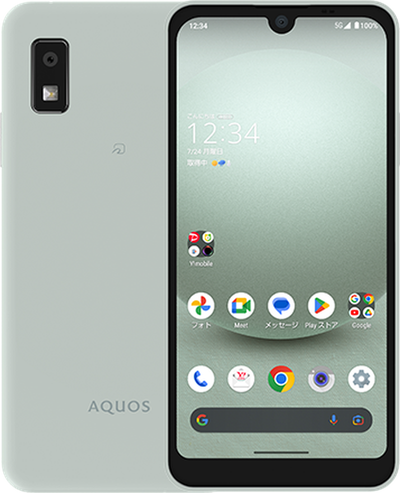
| AQUOS wish4 / 3 | SHARP | About 71mm | Tough and long-lasting. Pared back to the essentials, great value. |
5. Google Pixel 8a / 7a - the best balance of AI features and size
Google's Pixel "a series" is a popular line that keeps almost all of the performance of the flagship models while simplifying materials and a few features to deliver outstanding value. The Pixel 8a and 7a carry displays of about 6.1 inches, so on paper you might not call them compact, but their rounded design makes them sit remarkably well in the hand.
What stands out most is Google's AI camera functionality. Features such as Magic Eraser and Best Take let you edit freely after the shot, which is ideal for anyone who posts frequently on social media. From the Pixel 8a onward, up to seven years of OS and security updates are guaranteed, so even a used purchase can be relied on for a very long time. Among Android phones, this is the safest choice when you cannot decide.


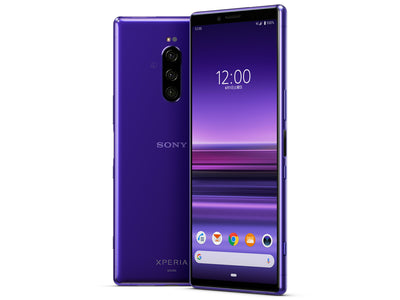
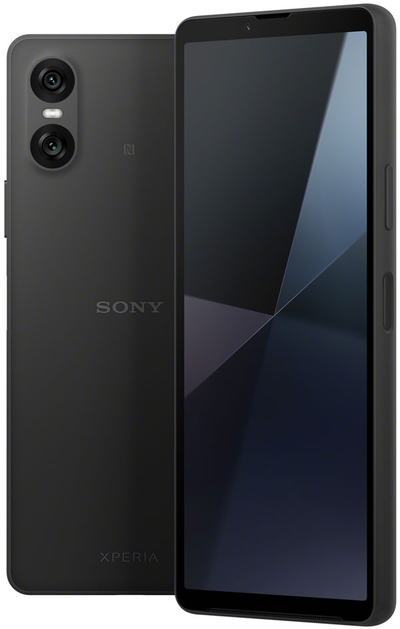
6. Xperia 10 series - a slim width that makes it exceptionally easy to hold
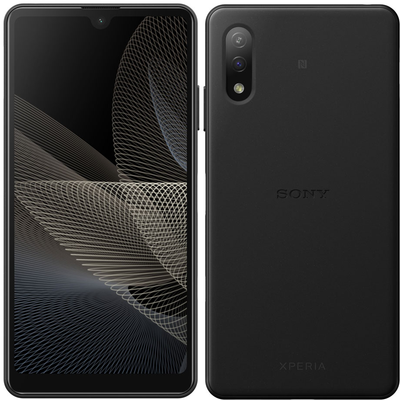
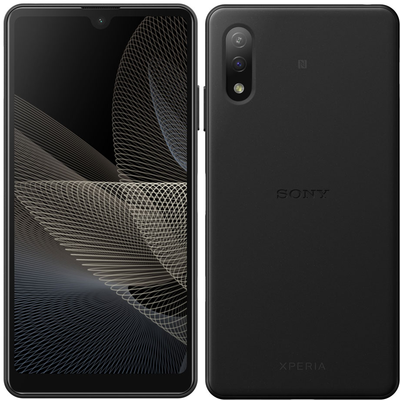
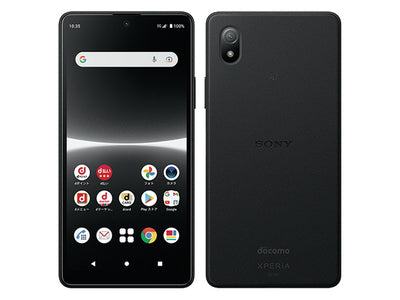
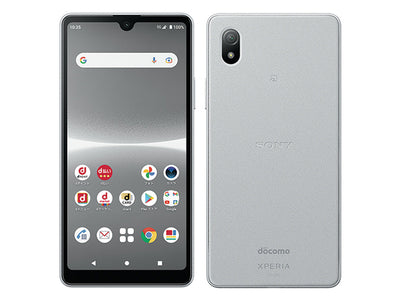
Sony's Xperia 10 series uses a distinctive 21:9 tall display found on no other phone. The great advantage of that ratio is that it secures screen area while holding the body width to an astonishing 67-68 mm. That is roughly the same width as the iPhone SE, narrow enough for people with small hands to grip firmly.
A tall screen shows more of a social media timeline at once and pairs extremely well with multi-window features that stack two apps vertically. The stamina the Xperia series is known for is intact as well: despite the compact body it carries a large battery, which is why it is chosen by users who put battery life first. It suits anyone who wants to watch video at close to cinema proportions, or who simply likes a stylish design.
7. AQUOS wish series - simple, sturdy and ideal as a second device
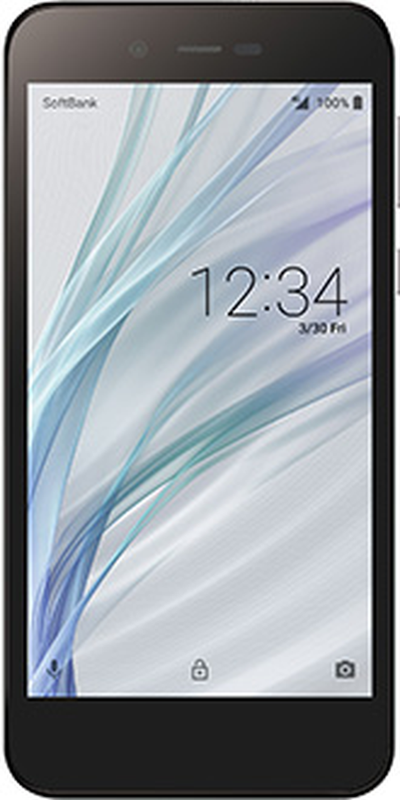
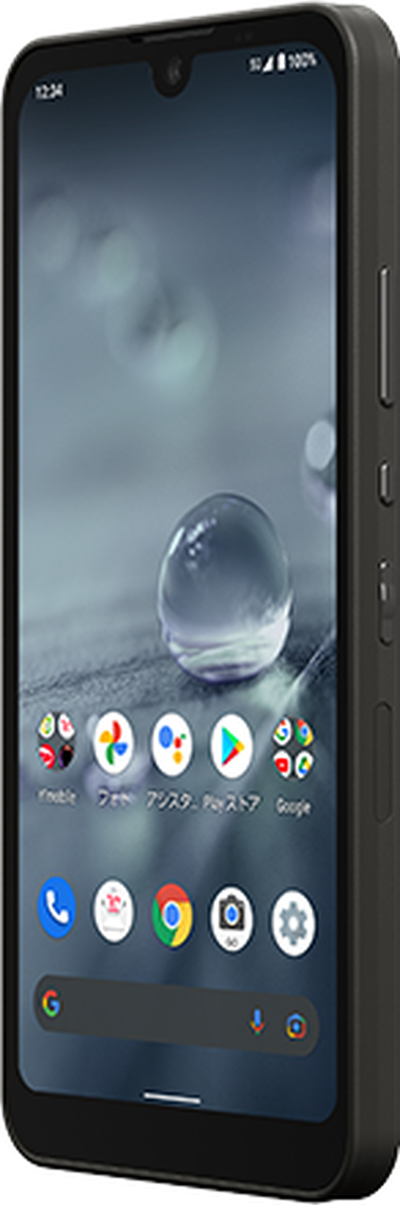
Sharp's AQUOS wish series is an entry to mid-range line built on the concept of unadorned simplicity. A smallish screen of about 5.7 inches is paired with a matte, non-slip body, making one-handed handling extremely good. The real strength of this device is its toughness. It is waterproof and dustproof, and it also has shock resistance, so it suits work involving a lot of time outdoors as well as outdoor recreation.
On the used market you can find one from around 10,000 yen, and it is popular as a call-only second phone or as a child's first smartphone. You do not need excessive specifications, but you cannot give up Japan-specific essentials such as Osaifu-Keitai contactless payment and water resistance. This is the device that perfectly satisfies that practical set of needs.
Frequently asked questions
Q: With a smaller screen, is text hard to read on a compact smartphone?
A: The display area is certainly smaller than on a large device, but recent phones let you increase the text size in the settings, so it is rarely a problem in practice. If anything, being able to reach the whole screen makes scrolling and other operations easier.
Q: Is a new iPhone mini planned for the future?
A: Based on current leaks, unfortunately there is no sign of the mini series returning. If you want a compact model with an edge-to-edge display, buying a well-kept iPhone 13 mini used is the most realistic and sensible approach.
Related articles
- Every iPhone ranked from smallest to largest
- The best small iPhones and how to choose one
- Carrying two iPhones: how to make the most of a second device
Summary
Precisely because smartphones keep getting bigger, deliberately choosing a compact model is a smart way to put your own comfort and ease of use first. Being able to operate it nimbly with one hand, free from the burden of carrying something bulky, turns your phone into a far more approachable and useful tool. Now that new-device options are shrinking, the used market is a treasure trove of compact smartphones.
The iPhone 13 mini and SE series introduced here, along with Android classics such as the Xperia and Pixel, all offer superb value when bought used. Check the battery capacity, the cosmetic grade, and whether a guarantee against network-blacklisted handsets (aka-rom hosho) is included, and your concerns about buying used should disappear surprisingly quickly.
-
 iPhone 18はいつ発売?Pro・Pro Max・Duoの価格・色・スペック確定情報まとめ【2026年9月10日発表】
-
 Appleイベント2026年9月まとめ|iPhone 18 Pro・iPhone Duo・Apple Watch Series 12・AirPods 5の発表内容と価格一覧
-
 iPhone 18 (無印)・18eの発売日は2027年春?9月10日のイベントで発表されず|待つべきかと今買うべきモデルを解説
-
 Red Magic 11 Proは本当に“買い”か?ゲーミングスマホと中古ハイエンドのベストな選び方
-
 Galaxy S26最新リーク情報まとめ!発売日はいつ?S25・S24との比較
-
 iPhone 17eの最新リーク情報まとめ!発売日はいつ?待つべきか徹底解説


Other Services


新着記事


人気記事


