


What Is an iPhone Demo Unit? How It Differs From a Normal Used iPhone, How to Spot One, and What to Check First


"What exactly is an iPhone demo unit?" "How does it differ from an ordinary used iPhone?" "If it's cheap, is it safe to buy?" Plenty of people search with questions like these. The short answer: an iPhone demo unit usually means a handset that was used as an in-store display model, and while the price is appealing, the things you need to check are different from those for an ordinary used iPhone.
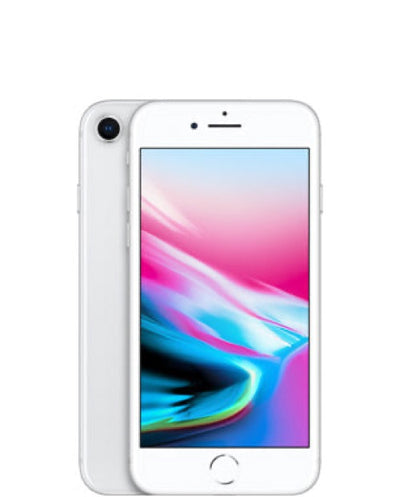
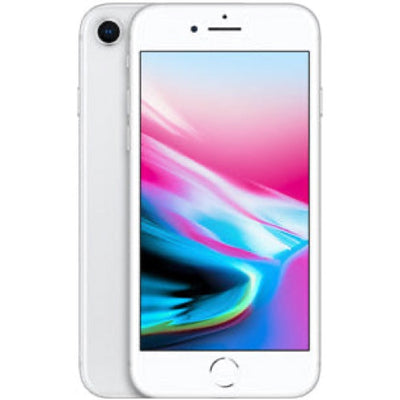

This is a category where the less experience you have with used phones, the easier it is to come unstuck by judging on price alone. Apple itself advises that confirming whether Activation Lock is enabled is essential when buying a used iPhone, so the first thing you need is a way of judging whether a given unit will work properly at all.
This article covers what an iPhone demo unit is, how it differs from an ordinary used device, the advantages and drawbacks, how to spot one, and what to confirm before you buy.
If you are also wondering about network usage restrictions on demo units, start here.

What is an iPhone demo unit? Let's start with a clear definition

An iPhone demo unit is a handset that was used for display purposes, mainly on the floor of an electronics retailer or a mobile carrier shop. Because it looks much like any other iPhone, at a glance it can be indistinguishable from an ordinary used or unused device. But since it was used for a different purpose, the points you need to check before buying differ from those for an ordinary used iPhone.
On the used market these appear under labels such as "display model" or "demo unit," and while the low price naturally attracts interest, you need to be aware that units carrying restrictions can be mixed in. In particular, demo units are documented as sometimes having restrictions on factory reset and SIM unlocking, so they cannot be treated on the same footing as ordinary stock.
The reason demo units look cheap is precisely that they carry a history of being used for display. In other words, even if a unit looks clean, you should assume it may have had its screen lit for very long stretches, been handled repeatedly, or be configured and managed differently from a normally distributed device.
The more you care about something beyond "cheap is good enough," the more this distinction will save you from a bad purchase.
The term is sometimes confused with "refurbished," but a refurbished device has been through inspection, any necessary repair, and reconditioning, whereas a demo unit is defined by its history as a display handset. Both are used iPhones, but the source of your confidence in each is entirely different.
How does a demo unit differ from an ordinary used iPhone?
The biggest differences are the device's previous purpose and the level of uncertainty you carry after buying. An ordinary used iPhone is typically a device that was owned by an individual, inspected, and then resold. A demo unit, by contrast, may have sat on a shop floor for a long period. Its condition therefore reflects something quite different from normal personal use.
Even when it looks clean, differences that never appear on a spec sheet can be present, such as the state of the display, the load placed on the battery, or minor configuration restrictions.
Ordinary used stock usually comes with fairly well-defined sales conditions such as SIM-free, a guarantee against network blocking (the Japanese "red ROM" issue), factory reset completed, and functionality verified. With demo units, however, the level of detail in the listing varies enormously from seller to seller. If a listing is thin on detail and leads only with the low price, less experienced buyers should be especially careful. There is always a reason for a price gap, and what matters is whether the seller can explain it.
Demo units, unused stock, and refurbished units are not the same thing
The used market throws around similar-sounding terms - "unused," "refurbished," "display item," "demo unit" - and it is genuinely easy to mix them up. They do not mean the same thing. "Unused" generally means a device with virtually no usage history, or one that was never actually used. "Refurbished" means the device was sold after inspection and reconditioning. A demo unit, by definition, carries a display history, so comparing it against unused or high-grade used stock on price alone is unwise.
If you are shopping for a used iPhone and want something as close to new as possible while keeping the price down, we suggest not looking at demo units in isolation but comparing them against A-rank and B-rank ordinary used stock and unused units too. PRODIG offers both a full iPhone listing and pages that make it easy to compare within each series.
What are the upsides of buying an iPhone demo unit? Why the price gets attention

The single biggest reason people search for iPhone demo units is, of course, price. They can look cheaper than ordinary used iPhones, which is compelling if you want the capability but find new prices steep.
The appeal is strongest for a second handset, a device for watching video, gaming, a backup camera, or a second phone for work - use cases where "if it's cheap, I'll consider it even with a few caveats" comes naturally. Used iPhone prices in general have drawn a lot of attention in recent years, and most buyers are weighing price against peace of mind.
A second upside is that, depending on the model, you may find units that look relatively good. A device used for display often shows fine scuffs and display-related wear rather than heavy cracks or deep damage. Individual units vary, of course, but for someone who wants to keep the price down without giving up entirely on appearance, that is worth noting.
These advantages hold only when the conditions are clearly stated. Beyond the low price, you need to be able to confirm SIM usability, whether the device can be reset, whether a warranty applies, and what functionality testing was carried out. Compare on post-purchase confidence as well as price, and it becomes clear who demo units suit and who they don't.
A realistic option if you are hunting for a cheap iPhone
For readers in their twenties and early thirties trying to keep phone costs down, a demo unit is undeniably tempting. If you do not need the newest model, if it is going to back up your main phone, or if you use it mostly indoors, prioritising price is a perfectly reasonable stance.
iPhones several generations old still perform well and are more than adequate for everyday tasks, so this category lands well with anyone thinking "if I can get it cheap, that's plenty."
What matters, though, is whether you can see why it is cheap. Every low price has a background: a lower cosmetic grade, a shorter warranty, different bundled conditions, or restrictions particular to demo units. To avoid regret later, choose listings that can put the reason for the price gap into words.
For a second phone or a narrow use case, the fit can be good
This is not to say demo units should always be avoided. If you plan to run it mainly on Wi-Fi, use it purely for video, or keep it as a test or work handset, the fit can be perfectly good. What you should prioritise changes completely between a phone you will use daily on your main line and one reserved for a narrow purpose.
Even for limited use, though, the minimum to confirm is that a factory reset completes properly, that there is no Apple ID lock, and that installing apps and running updates works without trouble. However cheap it is, a handset that trips over basic operations ends up being poor value.
Understand the drawbacks and risks of an iPhone demo unit
When considering an iPhone demo unit, the most important step is to understand the risks before the benefits. Unlike ordinary used stock, a demo unit carries a history as a display handset, which adds checks around factory reset, connectivity, various settings, cosmetic condition, and the display. Trade sources note that demo units may come with restrictions such as being unable to complete a factory reset or being unable to obtain a SIM unlock.
On top of that, Apple advises against buying a used iPhone on which Activation Lock is enabled. In short, rather than flattening this into "it looks cheap so it's a bargain," a demo unit deserves more careful scrutiny than ordinary used stock.
What makes this hard for a first-time buyer is that the risk is not visible from the outside. Even with a reasonably clean exterior, internal settings and management status cannot be judged from product photos. Buy from a marketplace app or an online shop with a thin description, and you can easily end up thinking "I bought it expecting it to work, and it didn't work the way I assumed." That is exactly why a seller with a clear warranty and returns policy, and visible inspection details, is the stronger choice.
Also, because a display unit may have been powered on continuously for long periods, battery and screen condition vary considerably from unit to unit. Nothing here can be stated as a blanket rule, but it pays to approach any device that may have a display history with caution.
Factory reset and SIM usage may be restricted
The biggest source of unease around demo units is restrictions on factory reset and SIM usage. Trade sources explain that, unlike ordinary stock, demo units can run into problems with resetting and SIM unlocking. Not every demo unit has restrictions, but you should be clear that there are more conditions to verify than with ordinary used stock.
If you intend to use the phone as your main device, this is not the place to compromise. Doubt around anything fundamental to daily use - calls, mobile data, eSIM setup, initial configuration, Apple ID - undermines the whole point of buying cheap. Always check whether the listing states SIM-free, reset completed, and functionality verified, and whether you can get a clear answer when you ask.
Always check Activation Lock
Activation Lock is one of the single most important checks when buying any used iPhone. Apple explicitly advises confirming that the lock is not enabled before you buy, and states that if the device shows "iPhone Locked to Owner," you should not purchase it.
This applies to used iPhones in general, not just demo units, but the more unusual a device's distribution history, the more the check matters. However low the price, a locked handset creates serious obstacles to normal use. Before "it's cheap" and "it looks good," confirm "there is no lock" and "it resets normally." That is the baseline.
How to spot an iPhone demo unit, and what to check before buying
Within the used trade, the usual advice for identifying a demo unit is to check the model number and the wording of the listing. The claim that ordinary model numbers begin with M while demo units may begin with 3 is widely circulated. That is only one clue, however, and it is risky to make a final judgement on the model number alone.
In practice you need to weigh several things together: the wording of the listing, the device information, what the seller confirms, whether Activation Lock is present, and whether a factory reset is possible. Apple also strongly recommends verifying lock status when buying a used iPhone, so it is important not to lean on the model number by itself.
Having a checklist ready in advance also makes judgement easier on marketplace apps and used-goods sites. Working through the points below reduces the chance of missing something.
| What to check | What to look for |
|---|---|
| Listing wording | Does it state demo unit, display model, or prior display use? |
| Lock status | Is Activation Lock disabled? |
| Factory reset | Can it be returned to factory condition? |
| SIM usage | Is it SIM-free, and has connectivity been verified? |
| Warranty | Coverage for initial defects, returns policy, warranty period |
| Condition notes | Are the battery, screen, and exterior described concretely? |
Identification, then, is a matter of overall judgement rather than any single decisive test. Treat it as a rule that the cheaper the handset, the longer your checklist should be.
Model numbers and listing wording are useful clues
The first useful signal is the wording on the listing page. Check straight away for terms such as demo unit, display unit, or display item. Trade sources additionally note that the first character of the model number can serve as a reference point.
The key is to treat these as clues and nothing more. A model number tells you nothing about whether the phone will actually work normally. A device with an unremarkable model number may still have a lock problem, while a vaguely worded listing may come from a seller who has thoroughly tested the device and stands behind it. Check the model number as a starting point, but make the final call on the sales terms and on how the phone will actually be used.
Questions worth asking the seller before you buy
If you are torn over whether to buy a demo unit, putting the following questions to the seller is effective. The more clearly a seller can answer, the more confidence you can have.
-
Can the device be fully reset to factory settings?
-
Has Activation Lock been removed?
-
Has connectivity been verified with a physical SIM or an eSIM?
-
Is the battery condition or any replacement history known?
-
What are the terms for returns and for initial defects?
-
Are there any restrictions arising from it being a demo unit?
If the answers are vague, or full of phrases like "I think it works," it is worth stepping back and thinking. With used phones, satisfaction depends not only on price but on whether the seller sells with genuine accountability.
To buy a used iPhone with confidence, compare beyond demo units
As we have seen, iPhone demo units are attractive on price, but they carry a long checklist and are harder to navigate than ordinary used iPhones, particularly for a first-time buyer. So if you want good value but also care about quality and peace of mind, we recommend not narrowing your search to demo units, but comparing warrantied used iPhones and units with clearly stated condition grades alongside them.
PRODIG's iPhone listing lets you compare used iPhones across the whole range, with easy navigation into the iPhone 12, iPhone 13, and iPhone 14 series. Each series page shows warrantied units and their grades, so you can choose on the balance of condition and price rather than chasing the lowest figure.
Clear condition grades also make comparison far easier than with a device carrying an unusual background, such as a demo unit. PRODIG's grading works as follows.
| Condition grade | Guideline |
|---|---|
| S rank | Brand new, sealed |
| A rank | Excellent condition. Only the faintest marks or signs of use; clean overall |
| B rank | Good condition. Scratches and small dents from ordinary use, but no functional issues |
| C rank | Sound condition. Visible scratches or paint loss, but no effect on function |
With the condition standards laid out like this, it is far easier to pick according to your budget and your tolerance. Go A rank if appearance matters, B or C rank if price comes first, and S rank or unused if you want something as close to new as possible - the comparison is straightforward.
Comparing series by series makes it easier to find your device
When choosing a used iPhone, satisfaction depends not only on whether the device is a demo unit but on which series you pick. If you want a balance of price and performance, the iPhone 12 and iPhone 13 series are natural candidates; if camera and processing performance matter more, the iPhone 14 series comes into play.
Comparing market prices and grades series by series often turns up a price band you are happy with, without having to force yourself into a demo unit.
Selling your current iPhone makes the upgrade easier on your wallet
If you want to hold down the cost, pairing the purchase with a sale of your current iPhone is effective. Rather than simply hunting for the cheapest handset, putting the trade-in value of the phone in your hand towards the purchase often brings a used iPhone you can genuinely trust within reach. PRODIG's buyback site has a dedicated iPhone category, which suits anyone planning the purchase as an upgrade.
Factor the trade-in in, and buyers who assumed "my budget forces me into a demo unit" often find A-rank or B-rank ordinary used stock is within reach after all. Treating the purchase and the sale as one transaction is the right approach for value-focused buyers.
▶Browse the iPhone display-model sale
Frequently asked questions
With iPhone demo units, the questions tend to cluster around the same points, especially among people coming to the subject fresh. To close, here are the most common ones, answered briefly. Put simply: we would not go so far as to say never buy one, but it is not the category a first-time buyer should start with.
Rather than jumping at a low price, the deciding factor is whether you can verify lock status, whether the device resets, whether it connects, and what the warranty covers. Apple strongly recommends checking Activation Lock on any used iPhone, so make sure that box is ticked.
Is it safe to buy an iPhone demo unit?
It can be a valid option provided the conditions are stated clearly and the checks needed for normal use have been carried out. That said, there are more things to verify than with an ordinary used iPhone, so it is hard to call it beginner-friendly. If you want a main phone you can rely on, a warrantied used device with a clearly stated condition grade is the easier choice.
Can an iPhone demo unit be used normally?
It depends on the individual unit. Some work exactly as expected, but demo units are reported to sometimes carry restrictions on factory reset and SIM usage. Assuming "it should work fine" without listing details or a hands-on check is risky.
How do you spot a demo unit?
Take the listing wording, model number, device information, lock status, and reset capability together. The model number is a clue, but do not settle it on that alone - always check Activation Lock and what the seller states.
Is there a better approach than a demo unit?
If you want to balance price against peace of mind, comparing A-rank and B-rank used iPhones series by series is the way to go. Start with the full iPhone listing to get a feel for the going rate, then narrow down to the iPhone 12, iPhone 13, or iPhone 14 series as needed, and the right device becomes much easier to find.
Summary
An iPhone demo unit usually means a handset that served as an in-store display model, and it can look cheaper than an ordinary used iPhone. But there is a reason for that price, and there are points to verify - factory reset, SIM usage, Activation Lock, warranty terms - that go beyond what ordinary used stock demands. If you already know your way around used phones, there is room to consider one depending on how you plan to use it; but if you want good value and peace of mind together, a warrantied used iPhone with a clearly stated condition grade is usually the easier pick.
To avoid a bad purchase, don't stop at whether the device is a demo unit. Compare on three points: will it work normally, is the description clear, and is there support after the sale. A good starting point is to look across the full used iPhone range and the individual series to get a sense of how price and condition line up.
-
 iPhone 18はいつ発売?Pro・Pro Max・Duoの価格・色・スペック確定情報まとめ【2026年9月10日発表】
-
 Appleイベント2026年9月まとめ|iPhone 18 Pro・iPhone Duo・Apple Watch Series 12・AirPods 5の発表内容と価格一覧
-
 iPhone 18 (無印)・18eの発売日は2027年春?9月10日のイベントで発表されず|待つべきかと今買うべきモデルを解説
-
 iOS 26.4 beta 3とは?公開日・新機能・AI選曲・beta 3 v.2の違いをわかりやすく解説
-
 iPhone 17eとiPhone 17の違い|サイズ・重さ・価格差3.5万円でどっちを選ぶか
-
 Pixel 10a vs Pixel 9a どっちが買い?スペック比較と選び方


Other Services


新着記事


人気記事


