


iPhone 17e vs iPhone 17: Size, Weight and a 35,000 Yen Gap - Which Should You Buy?


Most people considering the iPhone 17e are torn between "should I take the 17e because it is cheaper, or will I regret not stepping up to the iPhone 17?" The short answer: if you value the balance of price and everyday practicality, the iPhone 17e is the strong choice, and if you value the screen experience and camera versatility, the iPhone 17 is.
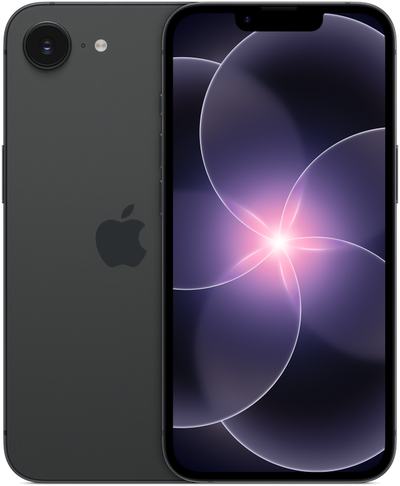
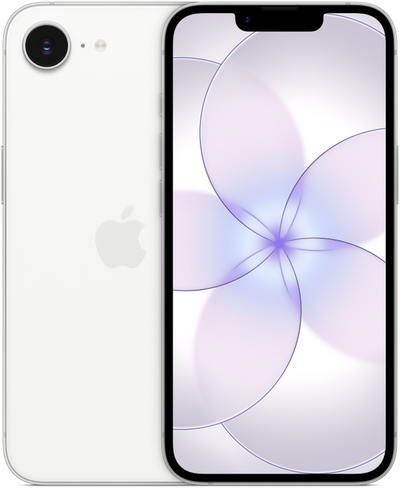
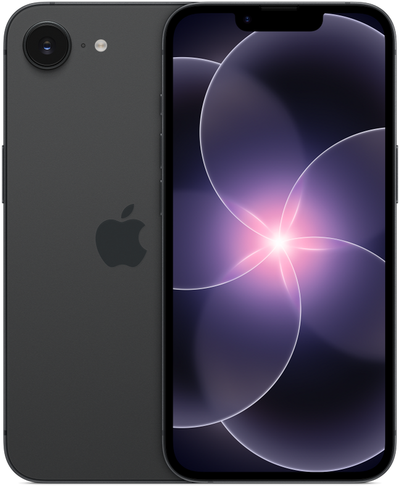
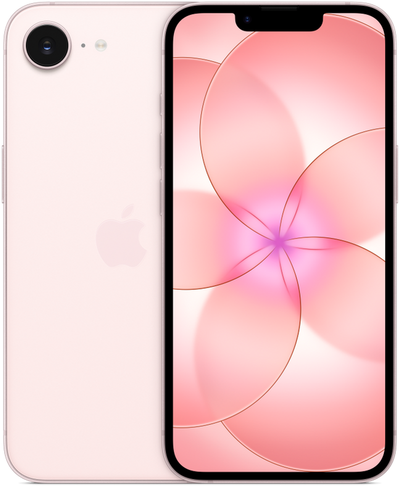
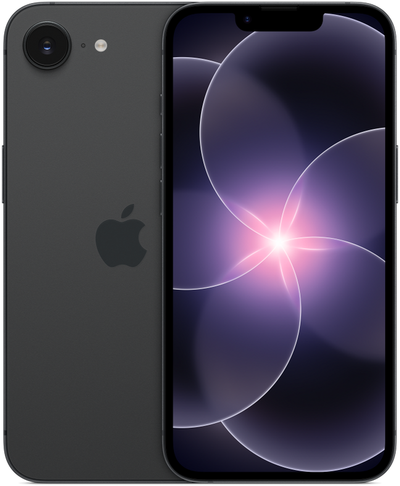

The iPhone 17e covers everything you need for daily use: the A19 chip, a 48MP camera, 256GB as the starting capacity, and MagSafe support. The iPhone 17, meanwhile, adds a 6.3-inch screen, a dual camera system including a 48MP ultra-wide, Dynamic Island and ProMotion, all of which raise day-to-day satisfaction.
This article lays out the differences in terms of price, size, display, camera, charging and how to choose, and closes with a clear look at the smart options once used devices are included.
The verdict first: iPhone 17e or iPhone 17, which should you get?

The first thing to grasp when comparing the iPhone 17e is that the question is not which device is better, but which one fits the way you use a phone. The iPhone 17e is the model Apple announced in March 2026, holding the price down while substantially raising practical performance. The combination of the A19 chip, a 48MP camera, MagSafe and 256GB as the base capacity is genuinely satisfying if you are upgrading from an iPhone of a few years ago, and it handles social media, video, payments, maps, lighter games and photography without complaint.
The iPhone 17 uses the same A19 generation but adds a 6.3-inch ProMotion display, Dynamic Island and a 48MP Dual Fusion camera, lifting the everyday experience itself with smoother rendering and ultra-wide shooting. In short, it is easiest to think of the 17e as the value option that covers everything you need to a high standard, and the 17 as the satisfaction option that also goes after comfort every time you pick it up.
The price gap is another major factor in the decision. Apple's SIM-free iPhone 17e with 256GB costs 107,800 yen (raised by 8,000 yen from 99,800 yen in the revision of July 18, 2026). Carrier list prices for 256GB, by contrast, are 119,900 yen at NTT Docomo and au, 124,560 yen at SoftBank and 109,200 yen at Rakuten Mobile, so the sales channel makes a difference.
Choosing the higher-end iPhone 17 adds tens of thousands of yen on top of that, so it is important to be clear about what you want in return. For a gap of roughly 35,000 yen, do you take the larger screen, the ultra-wide camera, Dynamic Island and ProMotion, or do you hold spending down with the 17e and put the difference toward a case, accessories or your next upgrade? Once you have sorted that out, most of the hesitation disappears.
Who the iPhone 17e suits
The iPhone 17e suits, first of all, anyone who wants an iPhone that keeps the price down without feeling dated. The A19 chip means everyday responsiveness is more than adequate, and with Apple Intelligence support it has the foundation to stay usable for a long time.
On top of that, raising the minimum capacity to 256GB leaves plenty of headroom even if you accumulate a fair number of photos, videos and apps. It uses a single 48MP camera, so you are unlikely to feel short-changed on everyday snapshots or shots at the equivalent of 2x.
If you are moving up from something like an iPhone SE, iPhone 11 or 12, it is a device that delivers modern comfort while keeping the outlay down.
Who the iPhone 17 suits
The iPhone 17 suits people who care about how readable and responsive the screen feels every day, and people who want more range in their photography. On top of the 6.3-inch Super Retina XDR display, it carries ProMotion and Dynamic Island, which shows in smoother scrolling and animation and in how easily you can read notifications and work with apps.
The 48MP Dual Fusion camera system is also a big point, because it gives you a 0.5x ultra-wide. If you often shoot travel, children, landscapes or interiors where you want a wider frame, the 17 is less likely to leave you with regrets. Given the price gap, it is the option for people who will genuinely feel the benefit in daily use.
iPhone 17e and iPhone 17 spec comparison

Most people searching for an iPhone 17e comparison ultimately want to grasp what is different in a short time. So let us start with a table of the major differences. In a comparison article it reads far better to pull out only the differences that bear directly on the purchase decision, rather than listing every specification.
The ones that matter most are price, screen size, display performance, camera configuration, starting storage capacity and charging. Both are A19-generation devices with IP68 water and dust resistance, USB-C and Apple Intelligence support, so on core performance alone the 17e is already very strong. Framing it as "the 17 clearly adds on the experience side" makes the whole thing easier to understand.
| Item | iPhone 17e | iPhone 17 |
|---|---|---|
| Release date | March 2026 | September 2025 |
| Chip | A19 | A19 |
| Screen size | 6.1 inches | 6.3 inches |
| Display features | Super Retina XDR | Super Retina XDR + ProMotion |
| Dynamic Island | Not included | Included |
| Rear camera | 48MP Fusion camera | 48MP Dual Fusion camera |
| Ultra-wide | No | Yes |
| Starting storage capacity | 256GB | See the specifications page |
| Wireless charging | MagSafe / Qi2 / Qi | MagSafe / Qi2 / Qi |
| Weight | 169g | See the official page |
Looking at the table alone, the iPhone 17e is less a stripped-down budget version and more a model that keeps the parts you rarely want to compromise on while trimming the higher-end features. The chip, for instance, is the same A19 generation, so app launches, web browsing and video playback are unlikely to cause any real frustration.
The differences show up in whether you want an ultra-wide, whether you care about display smoothness, and whether you find Dynamic Island useful. Because the value of these depends on how you use the phone more than on the numbers, the safest approach is to move from the spec comparison to your actual usage scenarios.
Differences in price and storage capacity
The clearest strength of the iPhone 17e is that it starts at 256GB. Apple presents the iPhone 17e as offering outstanding value, with a minimum capacity double the previous generation at 256GB, together with MagSafe support.
In practice, 128GB tends to get tight over a few years if you keep a lot of photos and video, whereas 256GB gives you real breathing room in everyday use. Cutting out the stress of running out of storage while keeping the price down is a major attraction of the 17e. For anyone who feels that not being inconvenienced day to day matters more than raw performance, that extra capacity counts for more than you might expect.
Differences in screen size and display performance
The screen is 6.1 inches on the iPhone 17e and 6.3 inches on the iPhone 17. That is a difference of 0.2 inches on paper, but you notice it more than you would think in text readability, video viewing and how much of a social media feed you can see at once. The iPhone 17 also carries Dynamic Island and ProMotion, giving it the edge in interface clarity and motion smoothness.
The more hours a day you spend looking at your phone, the more that difference accumulates. On the other hand, the 6.1 inches of the 17e strikes a good balance with holdability, and it is a size you can operate one-handed. If you want a big screen, take the 17; if you want the middle ground between holdability and readability, take the 17e.
Differences in camera performance
The camera gap affects the decision more than you might imagine. The iPhone 17e carries a 48MP Fusion camera, a configuration that satisfies most everyday shooting. The iPhone 17 has a 48MP Dual Fusion camera and adds a 0.5x ultra-wide.
That widens the range of shots available to you for landscapes, interiors, group photos and situations where you want the whole table in frame. If you normally shoot only at the standard focal length, the 17e is unlikely to disappoint, but if "occasionally I want to go wide" comes up often, the 17 is worth a lot. On travel and at events in particular, having an ultra-wide can be the difference between satisfaction and regret.
Is a 35,000 yen gap too much, or is it fair? Sorting out the decision points
The thing people care about most when comparing the iPhone 17e is, unsurprisingly, the price gap. Apple's SIM-free iPhone 17e with 256GB costs 107,800 yen (after the revision of July 18, 2026). Carrier list prices rise into the high 110,000s and low 120,000s, so the impression changes depending on where you buy. A gap of roughly 35,000 yen is not trivial once you add accessories.
Given that this is a phone you use every day, though, whether it counts as expensive or fair depends entirely on how much you feel differences such as display smoothness, the ultra-wide and Dynamic Island. What matters is not simply picking the cheaper option, but whether you will actually use the experience that the extra money buys.
If you watch a lot of video, spend long stretches on social media and take a lot of photos, satisfaction accumulates more with the iPhone 17. If, on the other hand, you use your phone moderately for messaging, payments, maps, the web and the occasional photo, the 17e is a very complete device and saving the difference makes sense.
What is more, because the 17e starts at 256GB, it sidesteps the classic complaint about budget models, that you end up short on storage. Thinking of the price gap not as a raw spec difference but as "is this a necessary investment given how I use my phone" makes the choice much easier. Satisfaction after purchase is determined less by absolute performance than by the match between expectations and use.
Cases where the 17e is enough
The 17e is enough for people who want their phone to be comfortable but do not need the very best experience. Concretely, that means someone who mainly watches video, uses messaging apps, browses the web, uses maps, pays contactlessly and takes casual photos, without elaborate wide-angle shooting or strong feelings about display smoothness. With the A19 chip inside there is little to worry about even assuming several years of use, and MagSafe support makes accessories easy to use.
Having 256GB from the start also means storage is unlikely to become a problem. In other words, the 17e is not a compromise made to save money but a rational choice that covers what you actually need.
Cases where you will be happier with the 17
The iPhone 17 is the better pick if you use your phone for long stretches every day and notice small differences in comfort each time. The smooth rendering from ProMotion, the readability Dynamic Island brings and the usefulness of the ultra-wide camera may look minor in a one-off comparison, but they turn into a real gap in satisfaction with daily use.
People who prioritize travel, following a favorite artist or team, photographing their children, watching video and browsing social media will feel the value of the 17 most. Whether the price gap is worth paying comes down to whether you will use what it adds. The more expensive model is not automatically the right answer, but if improving your daily experience has value to you, the 17 is a strong contender.
How do they differ in size, weight and ease of use?
Before it is a set of specifications, a phone is a tool you handle every day. That is why size and weight deserve attention when comparing the iPhone 17e. The iPhone 17e measures 146.7 mm tall, 71.5 mm wide and 7.80 mm thick, and weighs 169 g.
Apple's comparison page lists the 17e as having the equivalent of a 6.06-inch display area and the 17 as 6.27 inches, which puts the 17e further toward the manageable end than it looks. That difference shows up in the small daily actions: holding it one-handed, fitting it in a bag or pocket, using it while lying down. We are no longer in an era where compactness is the top priority, but a phone that does not overflow your hand still translates directly into satisfaction.
This matters especially if you are moving up from an SE or a mini, since more than just the screen may change; how you hold and use the phone can change too. At 6.1 inches the iPhone 17e is a size that balances modern readability against portability. The iPhone 17, at 6.3 inches, tends to be more comfortable for video and reading but a little harder to use one-handed.
Which is better depends on your habits, but if you often use your phone while commuting or standing, or your hands are not large, the way the 17e sits in the hand will appeal. Conversely, if you spend long periods reading and watching on your phone, the 17's screen size is worth choosing.
If one-handed use and portability matter most
For anyone constantly taking their phone in and out during the day, holdability matters more than you would expect. At 169 g the 17e strikes a manageable balance for a 6.1-inch class device. If you often check a map one-handed on the way to work, pay one-handed, or reply to messages while standing, the 17e will feel more natural.
Framed as "I understand the spec difference, but which is easier every day," the 17e is genuinely attractive. It suits people who care less about looking impressive and more about minimizing friction every time they use the phone.
If readability for video and social media matters most
On the other hand, for people who spend long periods looking at the screen, whether on video, social media, news apps or e-books, the 17's 6.3 inches makes a difference. Even a slightly larger display area changes how easily you can read text and images, how much you see at once, and how immersive it feels.
Add the smoother scrolling of ProMotion and the tactile quality of everyday operation goes up as well. Because this is something you touch many times a day, differences in size and display stack up into a difference you can feel. Take the 17 if you look at it for long stretches, the 17e if you value mobility; that framing is very practical.
Price comparison by carrier and what to watch out for when buying
When comparing the iPhone 17e, look at carrier pricing as well as Apple's direct price. That is because carriers do not only quote an outright price; installment and trade-in return programs, along with pricing that assumes a line contract, can make a device look cheaper than it is.
As of March 11, 2026, the standard device prices were 99,800 yen SIM-free (revised to 107,800 yen on July 18, 2026), 119,900 yen at Docomo, 119,900 yen at au, 124,560 yen at SoftBank and 109,200 yen at Rakuten Mobile. Unless you judge on the total you actually pay, including installment terms, return conditions and the cost of keeping the line, rather than on the headline price gap, you can end up feeling it was not as cheap as you thought.
| Carrier | iPhone 17e 256GB standard device price |
|---|---|
| Apple SIM-free | 107,800 yen |
| NTT Docomo | 119,900 yen |
| au / UQ mobile | 119,900 yen |
| SoftBank / Y!mobile | 124,560 yen |
| Rakuten Mobile | 109,200 yen |
What this comparison shows is that if you simply look at the price of the device itself, Apple's SIM-free option is very strong. SIM-free suits anyone who normally uses a low-cost SIM or wants freedom in choosing a network.
If you plan to swap devices every couple of years using a carrier's return program, the picture changes. Even then, though, you need to understand that the pricing assumes you hand the device back, and that the terms shift depending on scratches and condition. The safest approach is not to stop at comparing device prices but to check whether the arrangement fits the way you contract.
Who buying direct from Apple suits
Buying direct from Apple suits, first of all, anyone who wants the device price to be unambiguous. Buying SIM-free gives you a lot of freedom over networks and makes it easy to stay on a low-cost SIM or your current line. For anyone who wants to compare without adding extra conditions, it is the most straightforward way to buy. In a price comparison article, using Apple's price as the baseline makes the decision easier.
Who buying from a carrier suits
Buying from a carrier suits people who plan to use installments or a return program and replace their phone every few years. The advantage is that spreading the cost over monthly payments keeps the up-front burden down. Even so, it is important not to judge on the advertised effective price alone, but to check return conditions, residual value, network costs and any administrative fees. Choosing purely on a low monthly figure can work out more expensive overall. If you intend to keep the phone a long time in particular, the lower outright price of a SIM-free device is often the more rational choice.
Adding used iPhones to the comparison, not just the new iPhone 17e, makes choosing easier
People searching for an iPhone 17e comparison often find their options open up dramatically once they look beyond new devices and include used ones. The 17e starts at around 100,000 yen new, but depending on how you use a phone, a used iPhone 15 or 16 series device can be more satisfying.
For anyone who wants the feel of a higher-end series while holding the price down, used is a rational option. The appeal of a new 17e is the reassurance that it will not fall short by today's standards; the appeal of a used higher-end model is getting more experience for less money. Neither is the correct answer in the abstract, and what matters is being able to compare them against your own priorities.
If buying used makes you nervous, compare at shops with clearly separated condition grades. Generally, grade S means new and unopened, grade A means very good condition, grade B means normal signs of use, and grade C means visible scratches that do not affect function. With criteria like these you can understand why prices differ and choose based on the balance of budget and condition.
If cosmetic condition matters, go for grade A; if price matters, extend your search to B and C. Either way you can buy with confidence. Even if the price of a new 17e is slightly out of reach, going used may widen your options.
If price is the priority, a used higher-end model is a strong option
The strength of buying used is that you can aim a rung higher while keeping the budget down. A slightly older higher-end model can land in a similar price band to a new 17e. If you find its screen, camera or build appealing, comparing used options rather than insisting on new will leave you more satisfied.
Anyone who wants value but will not compromise on quality and peace of mind in particular should weigh a new budget model against a used higher-end one.
Understanding condition grades makes buying used easy
What matters when buying used is not whether the device is used, but which condition you buy and at what price. Once you understand what S, A, B and C mean, the relationship between visible wear and price becomes clear.
If you always use a case, you may well find grade B is plenty; if the phone is a gift or you want it to stay pristine, choosing grade A or above is an easy call. Anxiety about used devices drops considerably once the criteria are visible. Rather than looking only at the new 17e, we recommend broadening the comparison to what else the same budget will buy.
If you are curious about how the e series came about, understanding how the first of the line, the iPhone 16e (SE 4th generation), came to be makes the 17e's position easier to place. If price is your top priority, it is also worth widening the search to previous-generation iPhones.
Frequently asked questions
In iPhone 17e comparison searches, what tends to remain at the end is "I understand the spec differences, but how do I actually decide?" So here we sort out the points people get stuck on in FAQ form. FAQs work best when they are phrased the way a searcher would type the question, which helps both readability and search performance. Direct questions such as "which one do you recommend?", "will I regret the 17e?" and "is used worth considering?" are best answered briefly and clearly near the end of the article. Here we cover only the points people struggle with before buying.
iPhone 17e or iPhone 17: which should I choose?
If you value the balance of price and practicality, we recommend the iPhone 17e; if you value overall satisfaction including the screen experience and the ultra-wide camera, we recommend the iPhone 17. For mainly everyday use the 17e is unlikely to disappoint, while the 17 is worth more if you care about photography and the display experience. If you cannot decide, think about whether you need an ultra-wide and whether you want a smooth display.
Will I regret buying the iPhone 17e?
Most people will not. The reason is that it includes the things that matter in daily use: the A19 chip, a 48MP camera, 256GB as the base capacity and MagSafe support. Regret tends to come from realizing later that you wanted an ultra-wide, or that display smoothness mattered to you after all. For typical use the 17e is a very sound choice, and if photography or the display experience is a priority, considering the 17 will reduce the chance of regret.
If I want to keep the cost down, is a used iPhone worth considering?
Very much so. The reassurance of a new 17e is appealing, but a used higher-end model from an earlier series may fall into the same budget. Comparing the new 17e against used 16 series and 15 series devices makes it easier to see what you really want. If cosmetic condition concerns you, focus on grade A; if price is the priority, extend the search to grade B.
Summary
When you are torn in an iPhone 17e comparison, the right approach is to judge by where you personally find satisfaction each day, rather than by which device wins on specifications. If you want one phone that keeps the price down and stays usable for a long time, the iPhone 17e is very appealing. The combination of the A19 chip, a 48MP camera, 256GB as the base capacity and MagSafe support is extremely well balanced for everyday use, and it will feel like a real step up from an iPhone of a few years ago. If, on the other hand, you also want display clarity, smoothness and the convenience of an ultra-wide camera, the iPhone 17 is well worth its price. What matters is whether you will use the experience the extra money buys.
It also helps to look beyond new-versus-new and take used iPhones into account, which makes the decision more rational still. If you want to keep the cost down without compromising on quality and peace of mind, searching at a retailer where you can compare by condition grade is a strong option. Some people are best served by a new iPhone 17e, and others will be happier with a used higher-end model. To find the right device for you, the key is not to narrow your options too soon.
-
 iPhone 18はいつ発売?Pro・Pro Max・Duoの価格・色・スペック確定情報まとめ【2026年9月10日発表】
-
 Appleイベント2026年9月まとめ|iPhone 18 Pro・iPhone Duo・Apple Watch Series 12・AirPods 5の発表内容と価格一覧
-
 iPhone 18 (無印)・18eの発売日は2027年春?9月10日のイベントで発表されず|待つべきかと今買うべきモデルを解説
-
 iPhoneのデモ機とは?通常の中古iPhoneとの違い、見分け方、購入前の注意点をわかりやすく解説
-
 iOS 26.4で何が変わった?新機能・不具合修正・注意点をわかりやすく解説
-
 iPhone17eが発売!発売日・価格・スペックと選び方を徹底解説


Other Services


新着記事


人気記事


